If you’re considering a new car, electric vehicles are very different to internal combustion engine vehicles and the automotive industry is undergoing a transformation, moving towards greener and more sustainable options. Therefore, in this blog, we’ll explore the different types of electric vehicles, including Battery Electric Vehicles (BEVs) and Hybrid Electric Vehicles (HEVs), to help you understand different types of electric vehicles.
Electric Vehicles (EVs)
Electric vehicles, or EVs, are a class of vehicles that operate exclusively on electricity. They have quickly gained popularity due to their eco-friendly nature and technological advancements.
There’s a variety of EV’s you can pick from: Compact electric cars, electric SUVs, electric vans and even electric vespa style scooters!
Benefits of Electric Vehicles
With EVs, there are huge environmental benefits as they produce zero emissions. Reducing air pollution and lowering greenhouse gas emissions. This means it costs you less to run them and maintain them as there’s less moving parts. As well as being highly energy efficient and very quiet when in operation.
What should you consider when buying an Electric Vehicle?
Range – every electric vehicle has a different range capacity, depending on how often you drive and how far you drive, depending on which EV is right for you.
Charging – making sure that you’re able to charge your vehicle at a competitive price is very important. There are various ways you can have an EV charger installed at your house depending on your requirements. As well as having them available in your area and commutes.
Purpose – Different EVs cater to various purposes such as daily commuting and off roading. And consider how far you need to drive.
Battery Electric Vehicles (BEVs):
Battery Electric Vehicles are pure electric that solely rely on electricity. They have no internal combustion engine and convers energy from the battery to turn the wheels of the vehicle.
BEVs come equipped with a charging port, allowing you to charge them from an external power source. Depending on where you live depends what type of charging station is required for your personal circumstance.
Battery Electric Vehicles have a Regenerative Braking System, meaning, when braking, the energy is converted to kinetic energy and then back into electrical energy when decelerating and then is converted back into the battery.
There are various benefits to BEVs. Which are: zero emissions, minimal maintenance, quiet operation, lower operational costs and significant reductions in greenhouse gas emissions and finally, high energy efficiency.
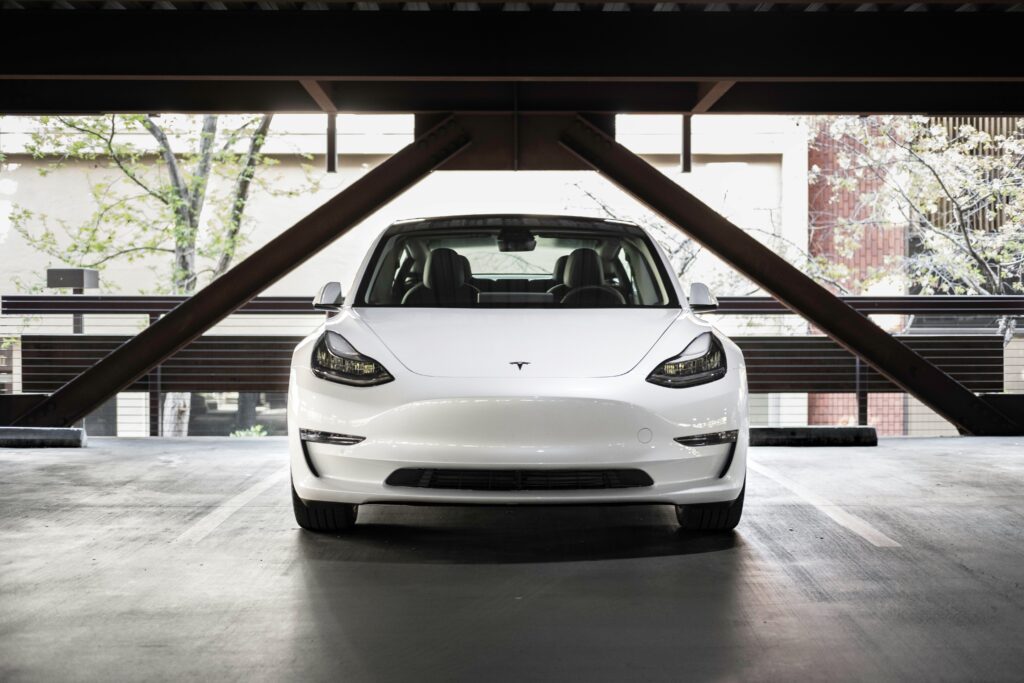
- Examples: Tesla Model 3, Jaguar I-Pace and Hyundai Ioniq
Plug-In Hybrid Electric Vehicles (PHEVs):
Plug-in hybrid electric vehicles combine an electric motor with an internal combustion engine. They can operate on electricity, petrol or diesel, or a combination of both.
PHEVs have a smaller battery that can be charged through an outlet. They can also use the internal combustion engine when the battery is depleted.
The benefits of PHEVs include: improved fuel efficiency, reduced emissions during electric-only mode, and extended range with the internal combustion engine.
- Examples: Toyota Prius Prime, Ford Escape PHEV, Mitsubishi Outlander PHEV.

Hybrid Electric Vehicles (HEVs): Combining the Best of Both Worlds.
Hybrid Electric vehicles are a combination between traditional internal combustion vehicles and fully electric ones. They feature both an internal combustion engine and an electric motor. There are three types of Hybrid Electric Vehicles:
Full Hybrid (HEV):
HEVs can operate in electric mode at low speeds, and the traditional internal combustion engine takes over at higher speeds. These vehicles use regenerative braking, like BEVs) to charge the small battery and assist the internal combustion engine. The benefits of an HEV: improved fuel efficiency, lower emissions, regenerative braking and reduced fuel costs.
- Examples: Toyota Prius, Peugeot 508 RXH HYbrid4 and Ford Fusion Hybrid.
Mild Hybrid (MHEV):
MHEVs have a small electric motor purely to assist the internal combustion engine, but they cannot run solely on electricity. There’s still benefits to mild hybrid vehicles. They provide better fuel economy, improve air quality with reduced emission and enhanced power delivery and overall driving experience. Just like the other EVs, the MHEV uses regenerative braking.
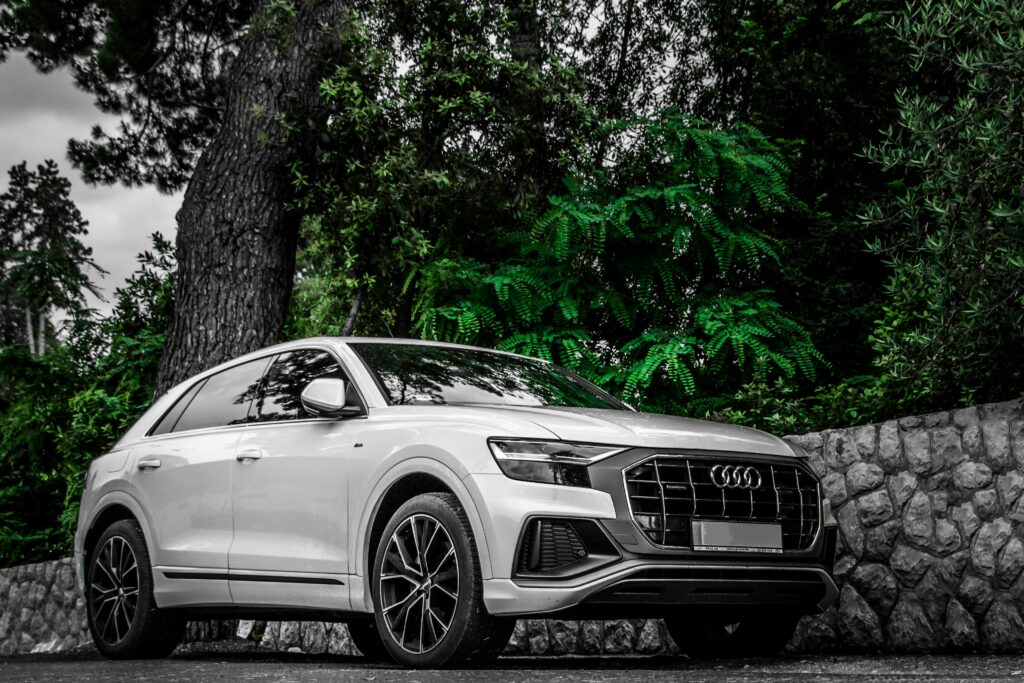
- Examples: Audi Q8, BMW M340i and Range Rover Sport.
Making the Right Choice
When choosing your next vehicle, understanding the differences between EVs, BEVs, and HEVs is crucial. It’s not just about personal preference but also about considering your driving habits, charging infrastructure in your area, and environmental concerns. Each type of electric vehicle offers unique benefits, and the choice ultimately depends on what aligns best with your lifestyle and values. As technology continues to advance, electric vehicles are set to play an increasingly significant role in shaping the future of mobility.
How can Spencer Hayes Salary Sacrifice help with buying an electric vehicle?
Spencer Hayes Salary Sacrifice provides insurance for EV salary sacrifice providers. Depending on your requirements, we can put you in touch with one of our partners to arrange how you can incorporate an amazing benefit for your employees. Get in touch today for more information.