
Electric Cars – Are we there yet?
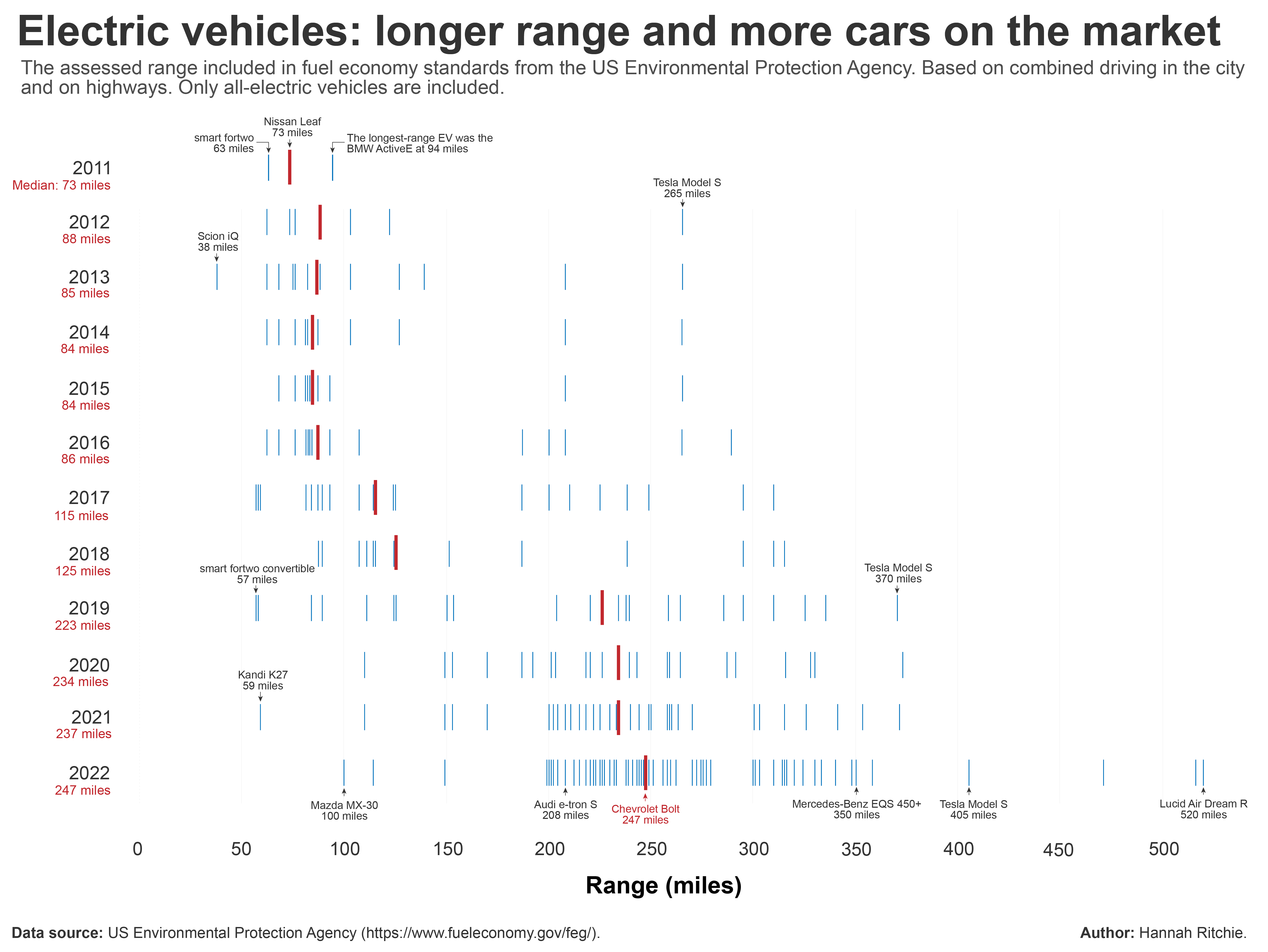
The 2011 Nissan Leaf was the electric trailblazer of its time, being both the world’s first mass market electric vehicle. The Leaf wanted to stand out. Whilst arguably missing the mark with its styling, it cemented that electric cars can be used as daily drivers, all without too much fuss.
In this blog we’ll look at how far electric vehicles have come since the introduction of the Nissan Leaf.
Range
The Leaf offers an average 55 miles real range in cold weather, versus the 2022 Polestar 2’s 170miles. Since 2011 the average range of EVs has increased 3.5 times. With advancements in battery technology this is only going to continue to climb, with capacity going up and drivers range anxiety going down.
Battery Technology
Improvements in energy density and liquid cooled batteries have allowed increases in charge speed and longevity. Not to say that the Leaf’s battery wasn’t built to last. After recently reviewing thousands of batteries Nissan estimated the Leaf’s to last to 22 years.
MG are currently providing a 7 year/80,000 mile warranty, which includes the battery, in the MG ZS EV.
Vastly More Choice
Manufacturers are now offering a wide range of electric vehicles, ranging from as small as the Citroen Ami to large SUVs like Volvo’s EX90 and Volkswagens ID Buzz, that’s somewhere between a car and a van.
It isn’t just car choice that is expanding. In the United States new manufacturer ‘Rivian’ produce electric delivery van’s bespoke built for Amazon with 10,000 currently in their fleet. Amazon plans to invest over €1billion over the next five years in Europe to electrify its transport network.
Charging Infrastructure
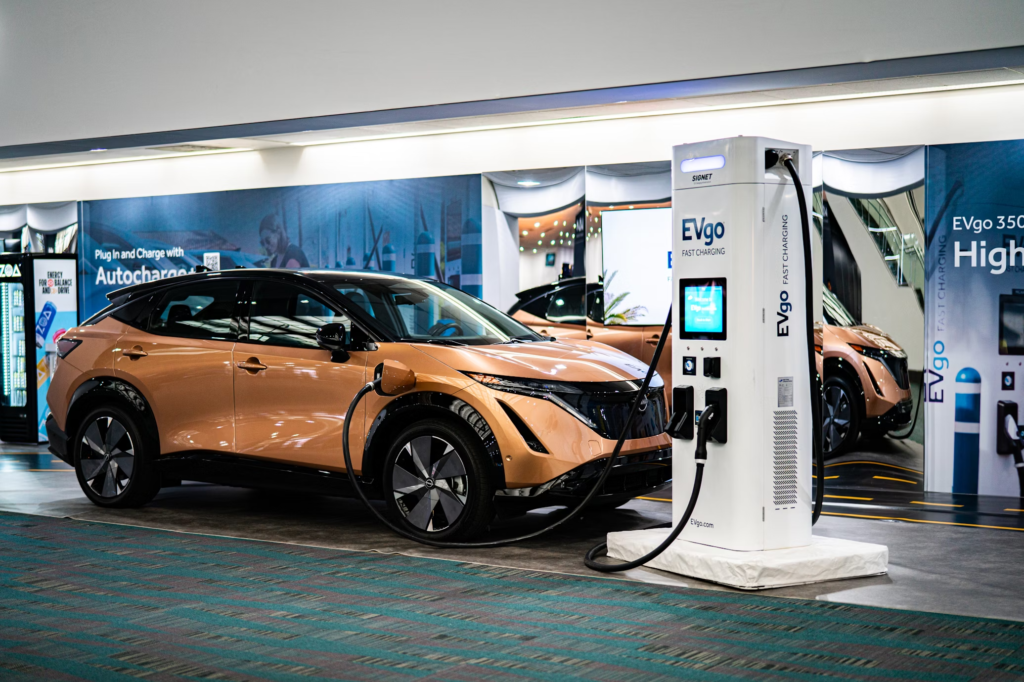
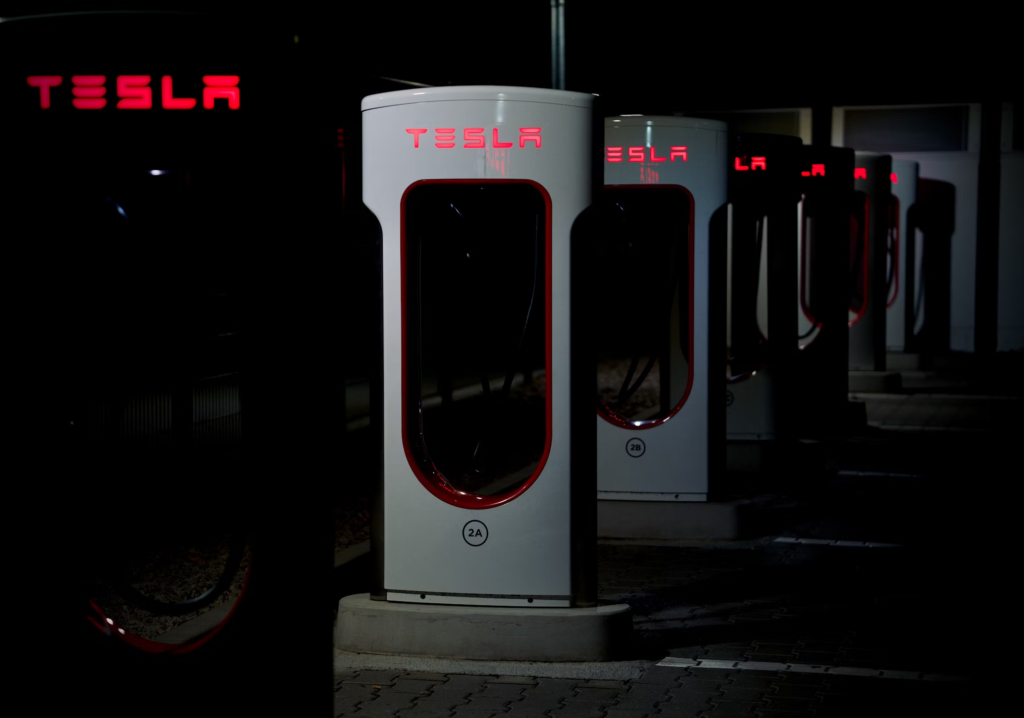
Compared to back in 2011 there are now vastly more charging stations, standardised plugs and rapid charging options to make any long journey achievable. There has been a 45% increase in charging points and over double in ultra-rapid (100kW+) chargers just in the past 2 years.
Performance
Fully electric supercars now offer face-pushing 0-60 times of under 2 seconds in EVs such as the Rimac Nevera (which at £1.72million is slightly more expensive than the Leaf).
At a somewhat more grounded price the Polestar 2 offers 0-62mph in under 5 seconds, with the base model starting at £43,950.
New Features
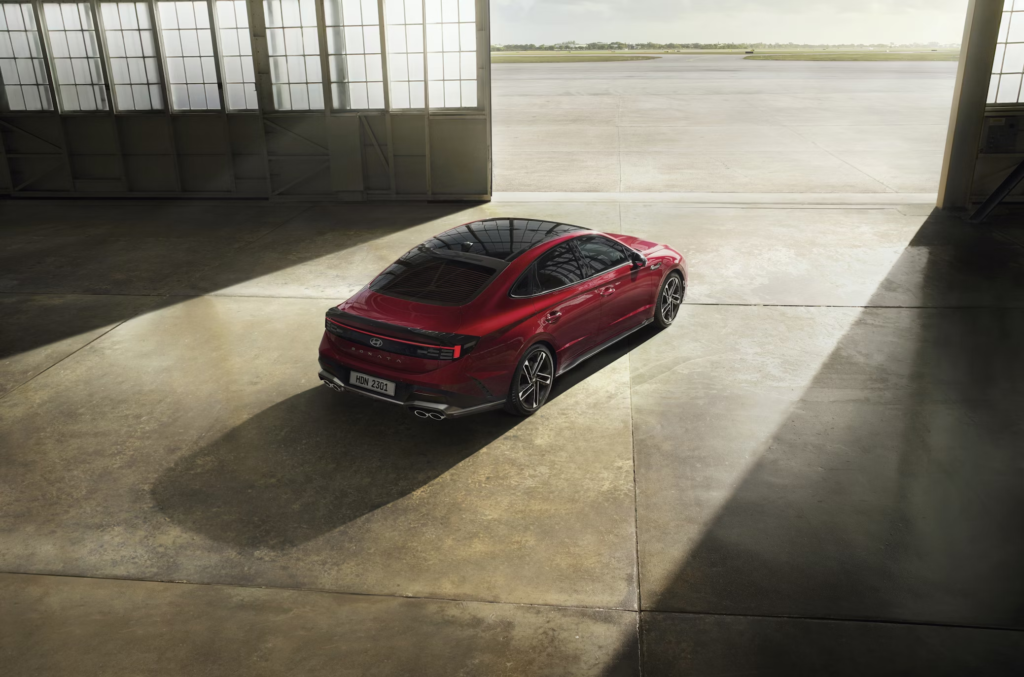
Modern electric vehicles can include remote start to pre heat the cabin in cold mornings, advanced safety features and autonomous capabilities. Solar roof panel charging is in the works, allowing charging even whilst on the go.
Hyundai Sonata – with solar roof panels increasing the range by an extra 1,300 km per year.
The 2024 electric Mercedes G Wagon has been shown performing a 360 degree spin on the spot thanks to its four electric motors working together. Click here to see the YouTube video.
Advancements
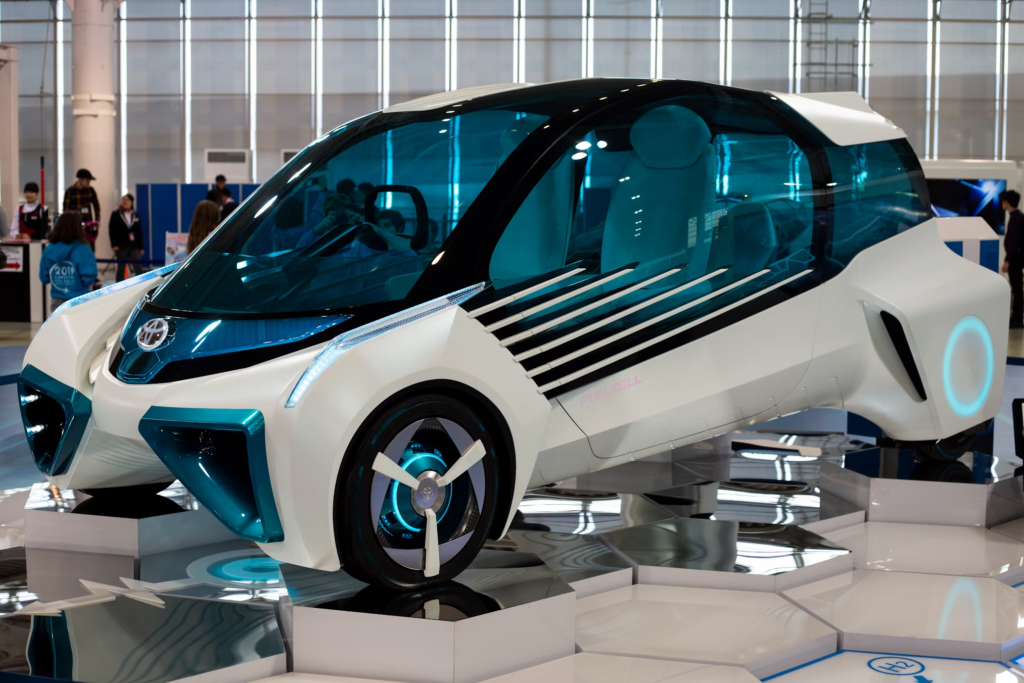
Currently development is underway in solid state batteries, with a goal of increasing performance in cold temperatures, greater capacity for the same size and less degradation over time – with Toyota outlining plans for the technology as soon as 2027.
Costs
The original Nissan Leaf cost £26,490 in 2011 (with inflation that’s around £37,300 today). Prices are trending down for electric cars, for example the popular MG4 currently starts at under £27,000.
With Salary Sacrifice available on leased electric cars this allows employees to save between 30-60% on the cost via tax and national insurance savings. This can include the vehicle insurance (Early Termination salary sacrifice cover is also available). Through Spencer Hayes the insurance is set for the length of the lease instead of the normal 12 months, meaning there is no annual renewal with changing premiums.
More information
Spencer Hayes Salary Sacrifice provides insurance for EV salary sacrifice providers. Depending on your requirements, we can put you in touch with one of our partners to arrange how you can incorporate an amazing benefit for your employees. Get in touch today for more information.