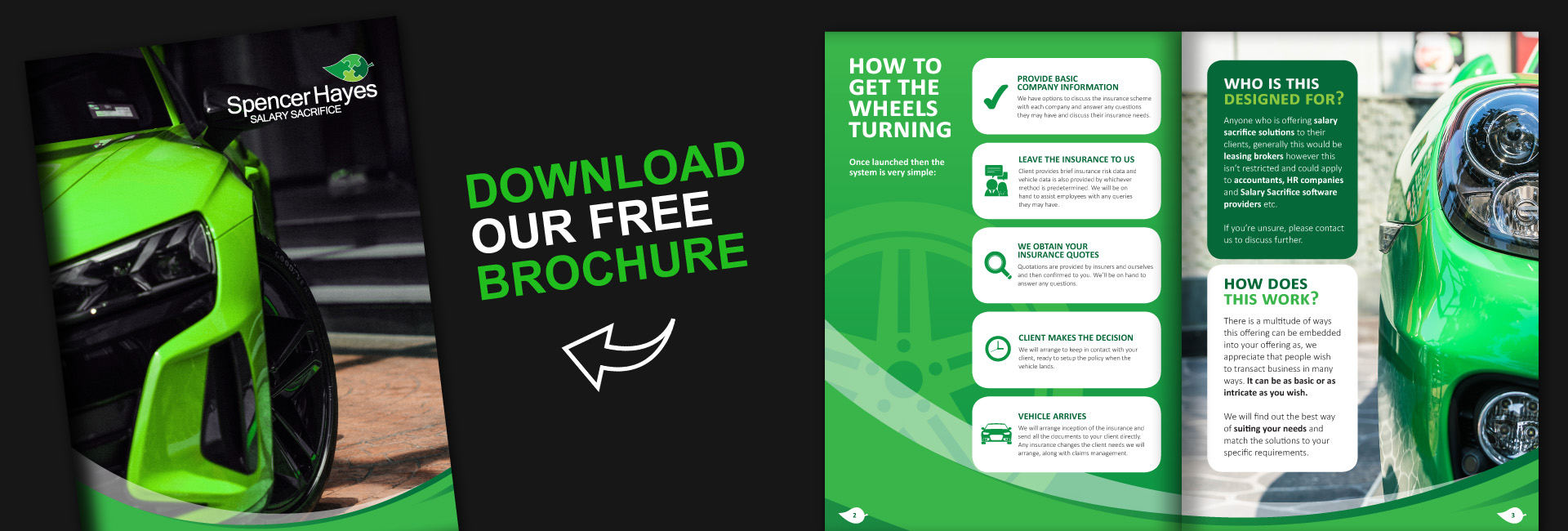

Specialist Electric Car Insurance
Salary Sacrifice
Implementing a salary sacrifice scheme to enable employees to access electric vehicles at a heavily discounted rate, is such a fantastic benefit; it’s a huge driver to help boost staff retention, never mind the environmental sustainability message this sends out.
Motor insurance may not be on the forefront of your mind when arranging such a scheme, however they’re common misconceptions which could result in an amazing offering becoming a huge administrative and costly headache.
If you don’t currently have a fleet policy and wish to start a new one, especially with purely electric vehicles, would prove extremely costly. Insurers generally avoid brand new fleets as there is no prior claims experience to judge them by, coupled with the fact that electric vehicles would push any potential (already inflated rates) even further, resulting in the probability of the scheme becoming expensive and therefore unattractive. This is where Specialist Electric Car Insurance will help massively.
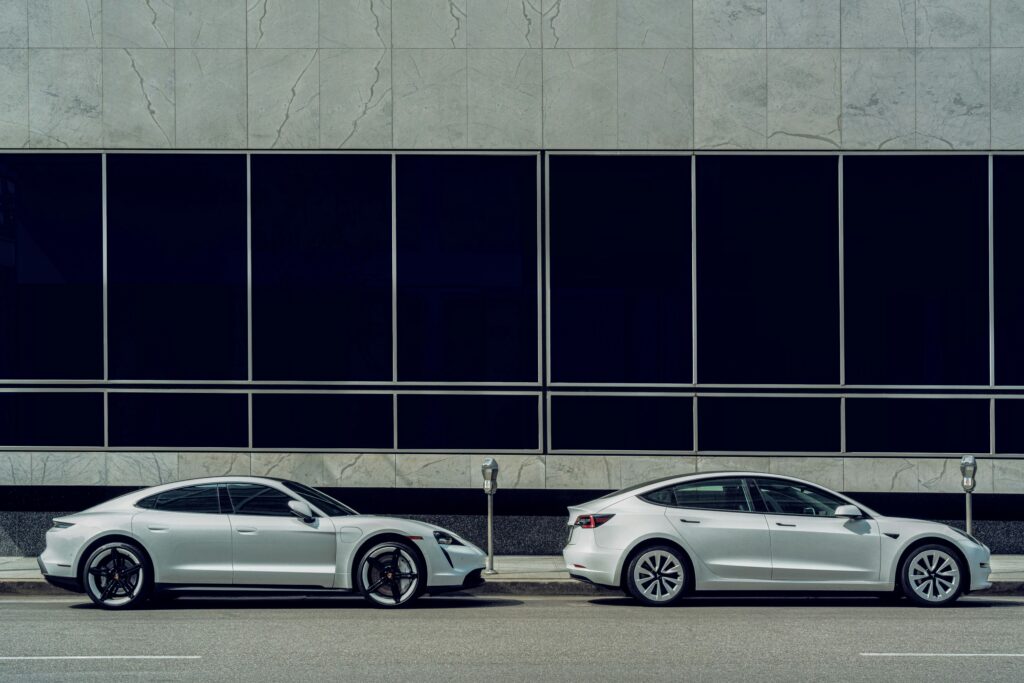
The Pros and Cons to adding Electric Cars to your Existing Fleet Policy
Seems like a straightforward ready made solution, right? On day one, then possibly, but without knowing future pitfalls then you could not only be seriously out of pocket but also damage staff morale. Here’s what to consider if you don’t want Specialist Electric Car Insurance:
Pros of adding Electric Cars to your Existing Fleet Policy
- If an existing fleet policy is in place which has run well over the previous three years, then it could provide a cost effective and low administrative solution.
- Most fleet policies provide any driver (generally over a certain age).
- Generally easy to make changes – fleet insurance is designed to be flexible
- Should automatically cover business use.
- Ensures that the employer pays for the premium, so the employee benefits from the premium being deducted from their wage pre tax.
Cons of adding Electric Cars to your Existing Fleet Policy
- Most insurers are very wary about insuring electric vehicles so they may refuse to insure some/all of them.
- If the company is VAT registered, then they’ll be liable for the VAT of all claims, which can be claimed back on the VAT return, however in the interim, they’d need to pay this.
- With insurers being wary of electric vehicles, the cost of adding these vehicles could be significantly higher than the vehicles already on the fleet policy.
- Standard fleet insurers generally impose higher excesses on these types of vehicles (normally down to values/grouping) which generally is £1000+.
- As the values for electric vehicles are generally higher than that of ICE vehicles, with the addition of insurers usually requiring trackers on vehicles valued over certain amounts, this can be in the region of £50,000+, but does vary. Then drivers can see the overall costs increase beyond what they anticipated to accommodate this requirement
- Individual drivers are not in control of their yearly premiums. They’re at the mercy of all the other drivers, if other drivers on the fleet are involved in incidents then this will negatively impact on the premiums of all vehicles which could have the following results:
- Pushes the premium so high that it reduces the employees wage beyond the minimum wage and thus resulting in the scheme becoming illegal.
- Would result in employee complaints if premiums increase and they’ve not contributed to the reason for the increase as premiums fluctuate annually.
- Could result in animosity between employees if poor driving of others resulted in higher premiums for all.
- Poor claims history of the salary sacrifice drivers would impact the business as the original vehicles on the fleet would suffer with inflated premiums.
- As some insurers dislike electric vehicles then it can hamper the employer when seeking improved terms with potential alternative providers.
What are the Pros and Cons to asking Employees to insure the vehicles themselves?
The employer not having any responsibility nor the administrative duties of the insurance element of the scheme. Sadly, without Specialist Electric Car Insurance arranged by the employer, this can prove to be a poor option. Considerations are as follows:

Pros of Employees insuring the Salary Sacrifice Electric Vehicles:
- Employers don’t have to get involved in the insurance element
- Employers’ fleet policy will remain unaffected, should they have one
- The premiums could be lower than that of a standard fleet
- Employees would be in control of their own premiums
- Excesses could be lower than a standard fleet insurance policy
Cons of Employees insuring the Salary Sacrifice Electric Vehicles:
- Insurable interest is a huge issue here – most insurers would have problems in insuring a vehicle in an employee’s name as the vehicle isn’t owned by them nor leased to them. It’s easy to incorrectly insure, especially on online platforms; by stating the vehicle owner is a lease company would still be on the assumption that the vehicle is leased to the policyholder (employee) and not the company whom they work for
- Employers would have to check each policy to ensure that the vehicles are insured correctly which would be an administrative nightmare, especially with a large number of employees
- If a vehicle was insured incorrectly then this could prove extremely costly, especially if a claim was repudiated which would result in the loss of potentially tens of thousands
- Premium fluctuates annually
- The premium wouldn’t be deducted from the employees salary and therefore wouldn’t receive all the tax benefits of the scheme

If insuring them on a fleet is problematic and insuring them privately is fraught with danger, what options are left?
Fortunately, here at Spencer Hayes Salary Sacrifice, we’ve created a bespoke salary sacrifice motor insurance option which is Specialist Electric Car Insurance, this avoids the pitfalls in the aforementioned options. Here are just some of the benefits:
- Salary sacrifice specific – this product was made purely with salary sacrifice propositions in mind
- Low policy excess for all vehicles
- No tracker requirements
- Software facility that can seamlessly API into providers offerings
- Premiums remain static throughout the period of the lease (unless changes to the policy occur) so that employees can easily budget for that period
- Claims of others will not impact the premium if others (actually, own claims would likely only impact on their premiums upon expiry of the current lease)
- No concerns regarding if insurance is on the correct basis – insurers are fully aware of the relationship chain and therefore no concerns over insurable interest
- No problems with electric vehicles – created solely to insure these
- Dealing with an experience team who are fully aware of the mechanics of how salary sacrifice works
- No VAT contribution required, even if the company are VAT registered
- Payable monthly so complements the salary sacrifice model
- Will not impact negatively upon any existing fleet policy
- Easy to administer – we do everything for you
We hope that this helps clarify any questions you may have surrounding motor insurance and Specialist Electric Car Insurance on salary sacrifice offerings, however should you have any additional queries, feel free to reach out to us.